
Healthy Popcorn: What Makes It Good for You (And What Doesn't)
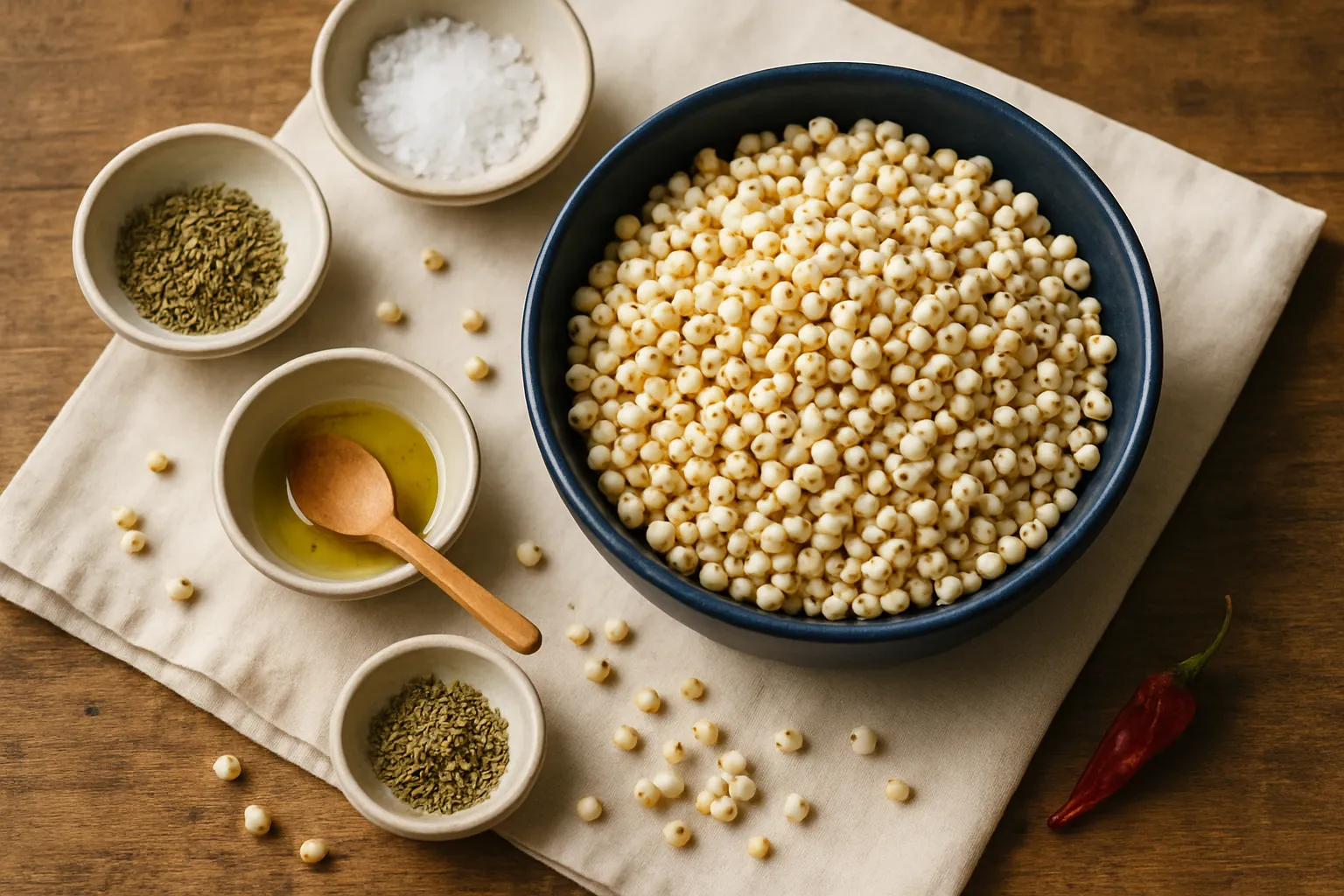
Healthy popcorn is air-popped or lightly seasoned popcorn that delivers whole grains and fiber without excessive calories, sodium, or artificial additives. Plain air-popped popcorn contains about 31 calories per cup with 1.2g of fiber, making it a nutritious snack choice when prepared correctly. SORGO offers popped sorghum as a hull-free alternative.
What makes popcorn a healthy snack?
Popcorn is a whole grain that provides fiber, antioxidants, and volume with relatively few calories when prepared without heavy oils or toppings.
Popcorn is one of the few snacks that counts as a 100% whole grain. When you pop corn kernels, you're eating the bran, germ, and endosperm intact, which means you get all the fiber and nutrients nature put there.
Air-popped popcorn contains about 31 calories per cup with 1.2 grams of fiber and 1 gram of protein. Compare that to potato chips (about 150 calories per ounce) and you can see why nutritionists often recommend it as a better-for-you option.
The catch is that popcorn is only as healthy as what you put on it. A plain air-popped bowl and a movie theater tub drenched in butter are nutritionally worlds apart, even though they started as the same kernel.
How many calories are in healthy popcorn?
Air-popped popcorn contains approximately 31 calories per cup, while oil-popped versions range from 35 to 55 calories depending on the oil used.
A single cup of air-popped popcorn has 31 calories. That's tiny for a snack, especially one that gives you three full cups for under 100 calories. The volume makes you feel satisfied without the calorie load.
When you pop popcorn in oil, those numbers change. One tablespoon of coconut oil adds about 120 calories, and a tablespoon of butter adds another 100. Those additions can push a three-cup serving from 93 calories to over 300 depending on your prep method.
Microwave popcorn bags vary wildly. Light butter versions can contain 120 to 150 calories per serving, while premium or extra-butter varieties can pack 200 or more calories into the same portion.
What's the healthiest way to pop popcorn?
Air-popping popcorn without oil is the healthiest preparation method, yielding the lowest calorie count while preserving fiber and whole grain benefits.
Air-popping uses hot air to heat kernels until they pop, no oil required. You get pure whole grain with nothing added, making it the gold standard for healthy popcorn. An air popper costs around $20 and pays for itself quickly compared to pre-packaged options.
Stovetop popping with a small amount of healthy oil (like avocado or coconut) is a close second. Use about one tablespoon of oil for half a cup of kernels, which keeps added calories reasonable while improving flavor and texture.
Skip the microwave bags that come loaded with partially hydrogenated oils, artificial butter flavoring, and excessive sodium. If you must use microwave popcorn, choose plain or lightly salted varieties and check the ingredient list for additives you can't pronounce.
What are the best healthy toppings for popcorn?
Seasoning popcorn well without destroying its health profile takes restraint. Nutritional yeast is a go-to for many health-conscious snackers because it adds a cheesy, savory flavor with B vitamins and only 20 calories per tablespoon. A light sprinkle of sea salt works too, especially if you're watching sodium.
Spices like cinnamon, paprika, garlic powder, or chili powder add big flavor without calories. You can also try a small drizzle of olive oil or melted coconut oil (about one teaspoon for three cups) with your favorite spice blend.
Avoid pre-made popcorn seasonings that pack in sugar, maltodextrin, and artificial flavors. Most are just expensive salt with fillers. Stick to real spices and you'll save money while keeping your popcorn actually healthy.
Is popcorn healthier than other snacks?
Popcorn provides more volume and fiber per calorie than most chips, crackers, or pretzels, making it a more satiating whole grain option when prepared without excessive fats or sodium.
When you compare popcorn to standard snack aisle options, it wins on several fronts. Three cups of air-popped popcorn (about 93 calories) gives you 3.6 grams of fiber. One ounce of potato chips (about 15 chips) gives you 150 calories and only 1 gram of fiber.
Pretzels and crackers are often marketed as healthier, but most are made from refined flour and lack the whole grain benefits of popcorn. Rice cakes are low in calories but also low in everything else, offering minimal fiber or satiety.
The real question is what you're comparing it to. Popcorn beats ultra-processed snacks, but it's not necessarily healthier than fresh vegetables, nuts, or fruit. Context matters.
What are the downsides of popcorn?
The biggest complaint about popcorn is the hulls. Those sharp, fibrous pieces get stuck between your teeth and in your gums, which is annoying at best and painful at worst. Some people avoid popcorn entirely because of the dental drama.
Popcorn also poses a choking hazard, especially for young children and older adults. The irregular shape and hard kernels (the ones that don't pop) can be dangerous. Dentists also warn that biting down on unpopped kernels can crack teeth or damage dental work.
For people with diverticulitis or other digestive conditions, the hulls can irritate the digestive tract. While popcorn is high in fiber (which is generally good), the insoluble fiber in those hulls doesn't work for everyone.
Is there a healthier alternative to popcorn?
Popped sorghum offers the same whole grain benefits as popcorn with smaller, hull-free pieces that don't get stuck in your teeth.
Sorghum is an ancient cereal grain that pops like popcorn when heated. Internal moisture turns to steam and the kernel explodes into a small, round piece. The result is about a quarter the size of popcorn and completely hull-free, which means nothing stuck in your teeth.
Nutritionally, popped sorghum is comparable to popcorn. It's a whole grain, naturally gluten-free, and packed with fiber and antioxidants. The smaller size and lighter texture make it easier to eat, and you can season it the same way you'd season popcorn.
SORGO makes Mini Pops, popped sorghum snacks available in Sea Salt + Butter, White Cheddar, and Spicy Chilli. They're non-GMO, gluten-free, and a smooth alternative to popcorn without the hull hassle. Bags are coming soon, check out sorgosnacks.com/shop to see what's available.
Quick answers
Is air-popped popcorn actually healthy?
Yes, air-popped popcorn is a healthy whole grain snack with about 31 calories per cup and 1.2 grams of fiber. It's low in calories, high in volume, and provides antioxidants when eaten plain or with minimal toppings.
How much popcorn can I eat on a diet?
You can eat 3 to 4 cups of air-popped popcorn for under 125 calories, making it a filling snack option for most diets. Watch your toppings and preparation method, as oils and butter significantly increase calorie counts.
Is microwave popcorn healthy?
Most microwave popcorn contains added oils, artificial flavors, and high sodium levels that reduce its health benefits. Light or plain microwave varieties are better options, but air-popped popcorn is healthier overall.
Does popcorn have any nutritional value?
Popcorn is a whole grain that provides fiber, B vitamins, magnesium, phosphorus, and polyphenol antioxidants. One serving delivers more than 70% of the recommended daily whole grain intake.
What is a healthy portion of popcorn?
A healthy portion is typically 3 cups of popped popcorn, which equals about one ounce of unpopped kernels. This provides volume and satisfaction for around 93 calories when air-popped.